Strand on the Green bulky waste collection and clearance
Posted on 15/07/2026
If you have an old sofa staring at you from the corner of the room, a broken wardrobe taking up half the hallway, or a pile of garden furniture that has definitely seen better days, you are not alone. Strand on the Green bulky waste collection and clearance is one of those jobs that looks simple until you start lifting, sorting, and figuring out what can actually go. The good news? With the right approach, it becomes manageable, quicker than you might think, and far less stressful than trying to wrestle it all out yourself on a wet Tuesday evening.
This guide walks you through how bulky item clearance works in practice, what to watch out for, when it makes sense to bring in help, and how to make a tidy, sensible choice for your home, flat, office, or rental property in Strand on the Green. You will also find a practical checklist, a comparison of common disposal options, and a few local-minded tips that save time, effort, and a bit of frustration. Let's face it, bulky waste has a habit of turning a calm plan into a mini obstacle course.

Why Strand on the Green bulky waste collection and clearance Matters
Bulky waste is different from everyday bin waste. A mattress, fridge, chest of drawers, old desk, broken exercise bike, or garden bench does not just disappear because it has been moved to the side. It needs space, transport, lifting care, and, in many cases, proper disposal or recycling. That is especially true in parts of Strand on the Green where access can be tight, parking can be awkward, and properties may have stairwells, shared entrances, or limited front-garden storage.
For many households, the biggest issue is not the object itself. It is the disruption. A large item blocks a room. A pile of items slows down a move. A renovation gets delayed because waste is still on site. If you are trying to sell, rent out, redecorate, or simply reclaim a spare room, bulky clearance becomes more than a tidy-up job. It becomes part of getting your life back in order.
There is also the environmental side. Not everything should be sent straight to landfill, and in the UK a sensible clearance approach normally aims to separate reusable items, recyclable materials, and genuine waste. That matters because bulky waste often contains mixed materials: wood, metal, fabric, plastic, foam, electrical parts. Sorting that properly can make a real difference. If sustainability matters to you, the wider context around recycling and sustainability is worth keeping in mind.
Expert summary: Good bulky waste collection is not just about getting rid of large objects. It is about doing it safely, legally, and with as little disruption as possible.
How Strand on the Green bulky waste collection and clearance Works
In practical terms, bulky waste collection and clearance usually follows a straightforward process. You identify the items, decide what is going, check access, choose the right disposal route, and arrange removal. Simple enough on paper. In the real world, a few extra questions tend to show up: Can the item be taken apart? Is it heavy enough to need two people? Does it contain electrics or refrigerant? Will the team need parking space near the property? That sort of thing.
For domestic clearances, people often use the service for a one-off job or a bigger declutter. For example, after a loft clear-out, a tenancy change, a home sale, or a kitchen refit. If the waste is mixed with other household items, you may want to look at broader rubbish clearance in Chiswick rather than treating it as a one-off single-item collection. That broader option is often more practical when several bulky pieces are involved.
Commercial and trade-related clearances work a bit differently. Office desks, filing cabinets, shelving, display units, and broken furniture can often be removed in bulk, but the handling and disposal route may need to account for duty of care, data-bearing items, and site access. In those cases, a service such as office clearance can be the cleaner solution.
There is also a difference between simple item removal and full property clearance. Full clearance usually means more volume, more sorting, and more time on site. Bulky waste collection, by contrast, is often for the larger one-offs. Still, the line can blur. A garage full of old furniture? That is bulky. A house with several rooms needing emptying? That starts to look like a wider clearance job.
Key Benefits and Practical Advantages
The main benefit is obvious: you get rid of large items without trying to move everything yourself. But there is more to it than that. Good clearance saves time, reduces risk of injury, protects your property, and avoids the mild chaos of trying to improvise with a borrowed van and a couple of optimistic straps.
- Less physical strain: Heavy sofas, wardrobes, and appliances are awkward, especially on stairs or narrow landings.
- Safer handling: Large items can scratch walls, damage floors, or cause accidents if moved badly.
- Cleaner spaces faster: Ideal before a move, renovation, tenancy change, or big declutter.
- Better organisation: When bulky waste is cleared first, the rest of the room becomes easier to sort.
- Improved disposal outcome: Items can often be reused, recycled, or separated more responsibly than if you just leave them to pile up.
There is a quieter benefit too: momentum. Once the oversized items are gone, people tend to finish the job. A room looks different once the old sofa and table are out of the way. Suddenly the rest feels doable. A bit less grim, frankly.
For homeowners preparing a sale, that can be especially useful. Clear rooms photograph better and feel calmer during viewings. If you are thinking about that stage, you may also find the guidance on selling your home in Chiswick helpful alongside your clearance planning.
Who This Is For and When It Makes Sense
Strand on the Green bulky waste collection and clearance is a good fit for a surprising range of people. Some need it for practical reasons. Others need it because they have simply run out of patience and floor space. Both are valid.
This service makes sense if you are:
- moving home and need to shed items that will not fit in the next property
- clearing a rental between tenancies
- replacing old furniture or appliances
- renovating and removing damaged or outdated items
- emptying a loft, garage, shed, or storage room
- dealing with inherited belongings that include large furniture
- preparing an office, studio, or workspace for a reset
- trying to clear garden furniture or outdoor equipment before a new season
It is also useful for people who value predictability. Not everyone wants to borrow a van, recruit neighbours, and spend half the day loading a mattress down a narrow set of stairs. Sometimes convenience is the actual point.
If your project is broader than a single bulky item, you may want to think in terms of the full property and not just the object in front of you. Services such as house clearance can be a smarter fit when the clutter has spread across multiple rooms. And if the waste comes from a building or refurbishment project, the logistics can be quite different again, which is where builders waste disposal becomes relevant.
Step-by-Step Guidance
If you want the process to run smoothly, do it in order. A little planning saves a lot of backtracking later.
- List the items clearly. Write down everything that needs to go. Be specific. "Old furniture" is too vague. "Three-seater sofa, double mattress, two bedside tables, and a broken freezer" is much more useful.
- Check condition and type. Some items may be reusable, some recyclable, and some waste. Electrical items, fridges, and anything with fluids or gas may need special handling.
- Measure access. Stair width, hallway turns, lift size, parking space, and distance from the kerb all matter. A bulky item in a narrow terrace can be more challenging than a bigger item in a ground-floor flat.
- Separate anything you want to keep. This sounds obvious, but the number of times a useful item gets set aside "for now" and then nearly disappears is, well, more than one would like to admit.
- Book the right service level. Single-item removal, multiple bulky items, mixed rubbish, or full clearance each needs a different approach.
- Prepare the area. Move smaller objects out of the way, clear a path, and protect flooring if needed.
- Confirm timing and access. Make sure someone can let the team in, arrange parking where necessary, and check any building rules if you live in a managed property.
- Ask about sorting and disposal. Reusable or recyclable items should be diverted where possible. That is usually the most sensible outcome.
If you are unsure what category your waste falls into, a general waste removal service can sometimes be the easiest starting point, especially when the load includes mixed materials.
Expert Tips for Better Results
A few small decisions make a big difference. Honestly, they save more hassle than people expect.
Tip 1: Photograph everything before you book
A couple of clear photos help you understand the size, access, and likely labour involved. They also reduce confusion if you are getting a quote based on the items rather than a fixed list.
Tip 2: Group items by room
Instead of leaving everything scattered, gather bulky waste into one area if it is safe to do so. That makes loading quicker and helps you see what is actually going. On moving day, that one empty corner can feel like a small victory.
Tip 3: Keep an eye on hidden extras
Drawers, cushions, shelves, and loose contents often add weight. A wardrobe may look manageable until it has to be carried down two flights of stairs and turns into a different beast entirely.
Tip 4: Ask about reuse and recycling first
If an item is still in decent shape, it may be better handled separately from true waste. That does not always change the job dramatically, but it can improve the environmental outcome and sometimes reduce unnecessary disposal.
Tip 5: Plan around your week, not just the appointment
If you are clearing before a delivery, a house valuation, or a tenancy end date, build in a little buffer. One rainy delay or a stubborn storage cupboard can throw the whole afternoon off. Better to have breathing room.
For readers who care about safety and proper handling, it is sensible to review insurance and safety considerations before any larger clearance job. That is especially true with heavy items, awkward access, or properties with shared areas.
Common Mistakes to Avoid
Bulky waste clearance looks simple, so people sometimes rush it. That is usually where the problems start.
- Leaving booking until the last minute: Rushed arrangements tend to cost more time and create more stress.
- Underestimating item size: A "small wardrobe" can still be a nightmare in a tight stairwell.
- Ignoring access issues: Parking, key collection, and lift restrictions matter more than people think.
- Mixing hazardous and non-hazardous waste: Paint, batteries, gas canisters, and electrical items may need separate handling.
- Forgetting what is actually reusable: Sometimes a piece of furniture can be kept, sold, donated, or repurposed with minimal effort.
- Not checking what the provider will and will not take: A quick question upfront avoids awkward surprises on the day.
There is also the classic mistake of assuming "bulky" means "anything big, no questions asked." Not quite. A mattress, a table, and a fridge are all large, but they do not always follow the same disposal rules. Different materials. Different handling. Different expectations.
Tools, Resources and Recommendations
You do not need a van's worth of equipment to get organised, but a few simple tools help enormously.
- Measuring tape: Useful for doors, stair bends, and item dimensions.
- Marker labels: Handy for separating keep, donate, recycle, and remove piles.
- Heavy-duty gloves: A good idea when moving rough, dusty, or splintered items.
- Furniture sliders or blankets: Helpful for protecting floors while shifting items.
- Phone camera: A quick way to document items and access points.
- Trolley or sack truck: Useful for heavier items, though not always practical in tight spaces.
In terms of support, the most useful resource is often a provider who can deal with mixed loads without turning the process into a bureaucratic adventure. If your job is tied to a property sale or a broader clean-up, then looking at services overview content can help you match the task to the right service, rather than guessing.
If you want a more local point of reference, it can also help to understand how residents tend to approach home changes in the area. The article on Chiswick living insights from residents gives a useful sense of the everyday rhythm around home upkeep and local life. A small thing, maybe, but context matters.
Law, Compliance, Standards, or Best Practice
Bulk waste disposal in the UK should be handled responsibly, and that means more than simply loading it onto a vehicle. As a general best practice, waste should be transferred to an appropriate facility or channel, and the party handling it should be able to show care in how it is collected, sorted, and disposed of. In practical terms, this is about keeping clear records, avoiding fly-tipping, and making sure waste does not end up somewhere it should not.
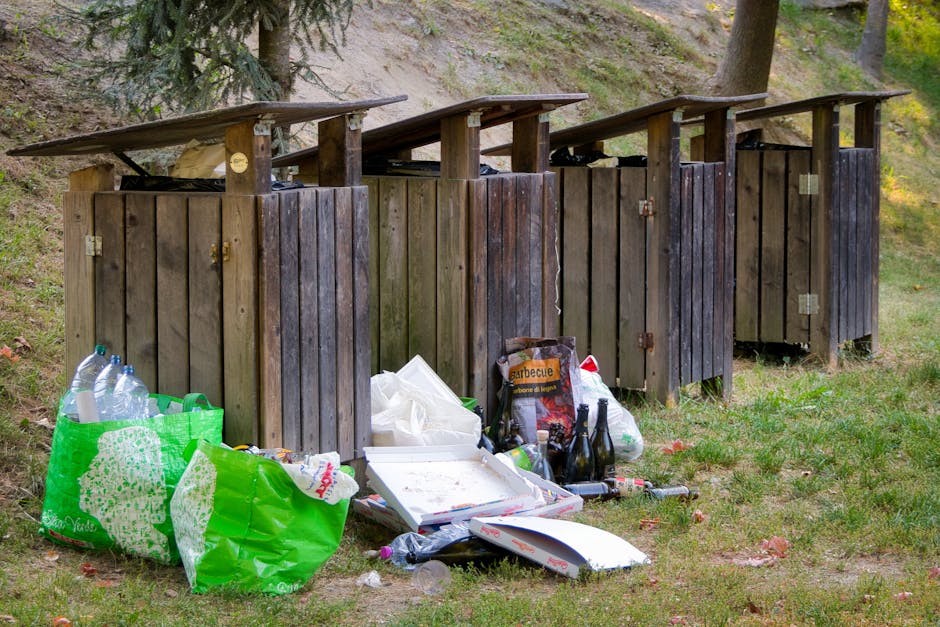
For households, the important point is simple: do not leave bulky items in communal areas, on pavements, or beside bins unless you have arranged for them to be collected in a lawful way. In many buildings, that creates safety issues and can upset neighbours very quickly. Not exactly the sort of attention most people want.
For businesses, offices, landlords, and property managers, there may also be a duty to handle waste with more formal care. That includes knowing what is being removed, where it is going, and whether any items need special treatment. If the clearance involves office furniture or equipment, a service aligned with professional office clearance practices is usually the better route.
If you are comparing providers, look for signs of clear process, sensible handling, and a straightforward approach to property access and disposal. Avoid anyone who seems vague about what happens after collection. The cheapest option is not always the best one, and with waste, shortcuts have a way of catching up.
Options, Methods, or Comparison Table
There are a few ways to deal with bulky items, and the best choice depends on volume, urgency, access, and how much effort you want to spend. Here is a practical comparison.
| Option | Best for | Pros | Cons |
|---|---|---|---|
| DIY disposal | Very small loads and easy access | Full control, potentially low cash cost | Heavy lifting, vehicle hire, time, and risk of damage |
| Council bulky collection | Occasional single items or modest volumes | Simple for some households, familiar process | May involve scheduling limits, item restrictions, and less flexibility |
| Private bulky waste collection | Multiple items, awkward access, fast turnaround | Flexible timing, handling support, less physical effort | Cost varies depending on volume and job complexity |
| Full property clearance | Large declutters, moves, inheritance, end-of-tenancy jobs | Comprehensive, efficient, less coordination | More involved than a simple one-off item removal |
For people with a mixture of household waste, furniture, and loose items, the broader approach often wins. If the load is a bit more chaotic than planned, a house clearance route can be far more efficient than piecing together multiple small removals.
Case Study or Real-World Example
Picture a typical Strand on the Green flat after a long-overdue declutter. A double mattress is leaning in the corner. There is a warped bedside cabinet, a heavy TV stand, a broken office chair, and two old garden chairs that have been living on the balcony since last summer. None of it is dangerous, but all of it is in the way. The bedroom feels cramped. The hallway is cluttered. The owner wants the place ready for photography later in the week.
Rather than trying to lift everything in separate trips, the items are grouped by room, measured, and checked for access. A quick decision is made to remove the furniture in one visit, while a couple of items that are still usable are kept aside. The result is not dramatic in a movie sense. No grand transformation music. But the room suddenly breathes. You can see the floor again. The whole place feels calmer.
That is the real value of bulky waste collection. Not magic. Just relief. And sometimes that is enough.
In nearby situations, the same principle applies when people are sorting a property before a move or a sale. The local home market articles such as the savvy buyer's guide to Chiswick real estate and a local's guide to this suburban haven can give useful context on why tidy, well-presented spaces matter so much.
Practical Checklist
Use this checklist before your collection day. It keeps the job tidy and avoids last-minute scrambles.
- List every bulky item you want removed
- Separate items you want to keep, donate, or sell
- Measure large items and note awkward access points
- Check whether anything needs special handling
- Clear a path from the item to the exit
- Protect floors, walls, or corners if needed
- Arrange parking or loading access where relevant
- Confirm who will be present on the day
- Ask about reuse or recycling options
- Keep any personal documents or valuables safely away
- Make sure shared hallways or entrances are not blocked
If the items include garden furniture, planters, or weather-damaged outdoor pieces, you may want to compare the job with garden waste removal as well. Outdoor clutter has its own way of multiplying after a rainy season. A bit of wind and suddenly there are three broken things instead of one.
Conclusion
Strand on the Green bulky waste collection and clearance is most useful when you want a simple, safe, and properly managed way to remove large unwanted items without turning your week upside down. Whether you are clearing a single room, preparing a property for sale, handling a move, or sorting a mixed load after a renovation, the right approach saves time and makes the rest of the job feel far more manageable.
The key is to plan the load, understand the access, and choose a disposal route that fits the real situation rather than the ideal one. Sometimes that is one item. Sometimes it is half a garage. Sometimes it is a messy mix of furniture, broken bits, and things you meant to deal with months ago. Happens to the best of us.
Take it one step at a time, keep the process sensible, and you will end up with a clearer space and a lighter head. That feeling of a room finally opening up? Worth it.
Get a free quote today and see how much you can save.
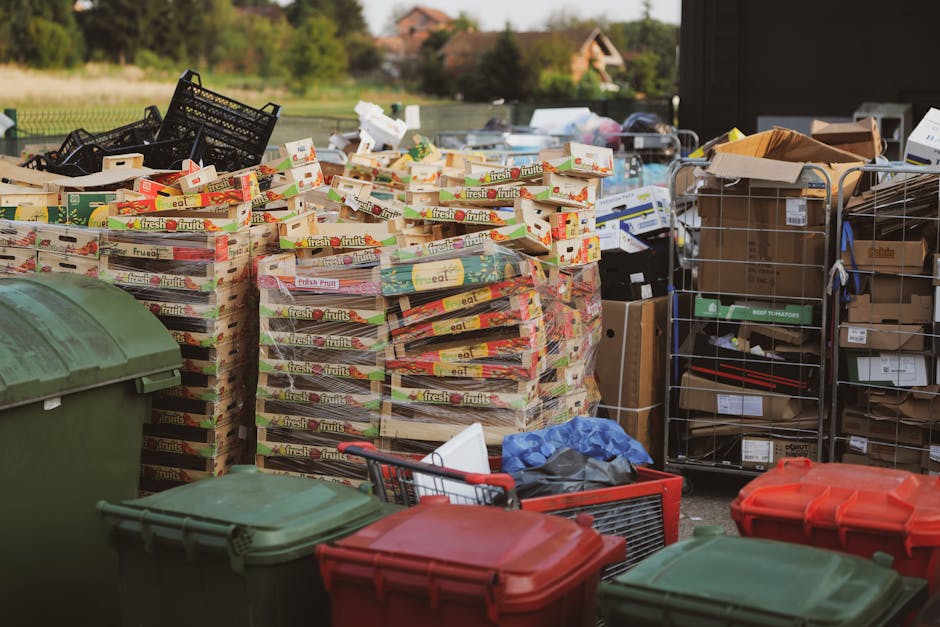

From a young age, Blair has cultivated a passion for order, which has now matured into a prosperous profession as a waste removal specialist. She derives satisfaction from transforming disorderly spaces into practical ones, aiding clients in conquering the burden of clutter.
 Tipper Van - Rubbish Removal and Waste Collection Prices in Chiswick, W4
 Luton Van - Rubbish Removal and Waste Collection Prices in Chiswick, W4